
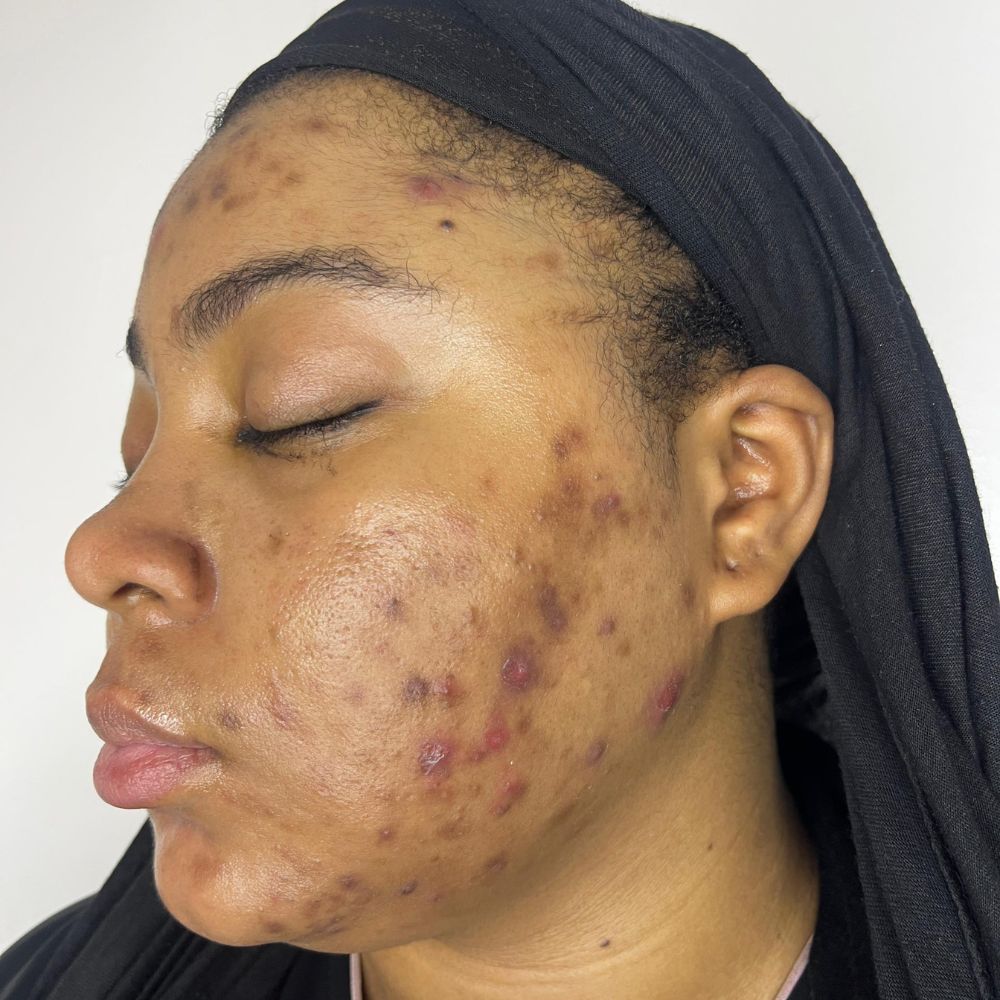
Hyperpigmentation vs Melasma vs Acne Marks: What’s the Difference?
If you have dark patches or spots on your skin, you may call all of them “hyperpigmentation.” That’s understandable, but hyperpigmentation is a broad term, not one specific condition. Melasma and acne marks can both cause darker areas of skin, but they aren’t the same thing, and understanding the difference matters because each may need a different treatment approach.
What’s the Difference Between Melasma and Hyperpigmentation?
Hyperpigmentation describes skin that’s become darker because of increased or uneven pigment production. Melasma is one specific pigmentation disorder within that broader category, most commonly causing brown or grey-brown patches on light-exposed areas of the face: cheeks, forehead, upper lip, nose, and chin.
So melasma is a form of hyperpigmentation, but not all hyperpigmentation is melasma. Melasma is linked to sun exposure and hormonal factors, and tends to be more noticeable in darker skin tones. Unlike a single acne mark, it usually shows up as broader, more symmetrical patches.
Are Acne Marks Hyperpigmentation Too?
Yes. Many acne marks are a form of post-inflammatory hyperpigmentation (PIH). When acne causes inflammation, skin can produce excess pigment, and once the acne itself heals, a brown or darker mark can remain behind it. The acne is gone, but the pigmentation stays. PIH is particularly common, and can persist longer, in darker skin tones.
Telling Them Apart
| Feature | Acne Marks / PIH | Melasma |
|---|---|---|
| Typical appearance | Individual dark marks | Larger patches |
| Common pattern | Where acne or inflammation occurred | Often symmetrical |
| Common areas | Previous acne sites | Cheeks, forehead, upper lip, nose |
| Trigger | Acne or skin inflammation | Sun exposure, hormones, other factors |
| Treatment focus | Treat acne and pigmentation together | Pigmentation management and strict photoprotection |
These are general patterns, not a diagnosis. Other pigmentation conditions can look similar, so anything persistent or unusual is worth having assessed.
Why the Difference Actually Matters
Treating the wrong problem leads to disappointing results. If dark marks are acne-driven, treating the pigmentation without controlling the acne means new marks keep appearing behind the ones you’re fading. If it’s melasma, sun and visible-light protection become especially critical, since both can actively worsen it. Melasma can also be persistent, sometimes lasting years and returning even after it improves.
A treatment appropriate for one may not be appropriate for the other, so an accurate read on what you’re treating should come before the product or procedure. Ingredient and treatment specifics are covered in our other hyperpigmentation guides; this post is about telling the conditions apart.
What if I’m Not Sure What My Dark Spots Are?
Don’t assume every dark patch is an acne mark. Consider getting pigmentation assessed if it:
- Keeps returning
- Is spreading
- Is becoming darker
- Doesn’t respond to appropriate skincare
- Appeared without an obvious cause
Correctly identifying the pigmentation is the first step toward an appropriate treatment.
The Bottom Line
Hyperpigmentation is a broad term. Melasma is a specific condition, and many acne marks are post-inflammatory hyperpigmentation. They can look similar, but their causes and treatment approaches differ. If you’re unsure what you’re dealing with, don’t keep switching between products or procedures.
Book a skin consultation with Botaderm for an assessment and a personalised treatment plan.
Related: What Is Hyperpigmentation? · Why Isn’t My Hyperpigmentation Fading? · The Best Treatments for Hyperpigmentation on Dark Skin · How to Fade Hyperpigmentation Safely, Without Bleaching