Microneedling: What It Is, How It Works and What It Can Treat
Microneedling is one of the most clinically studied minimally invasive skin treatments available right now. It’s also one of the most misunderstood, partly because of how it works and partly because the results don’t show up overnight.
What Is Microneedling?
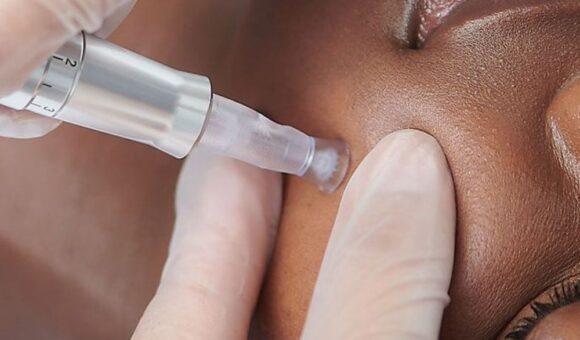
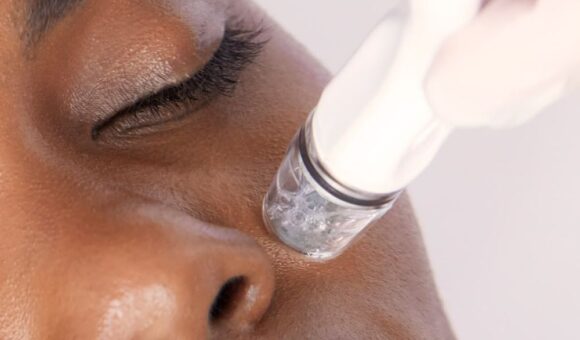
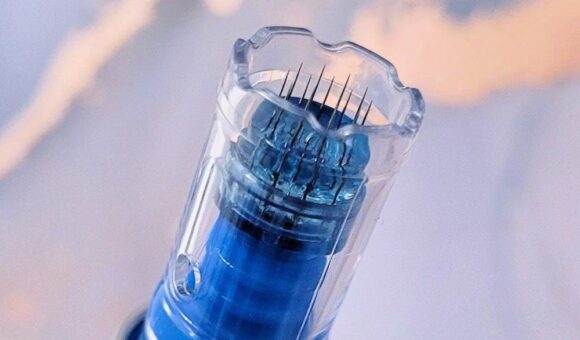
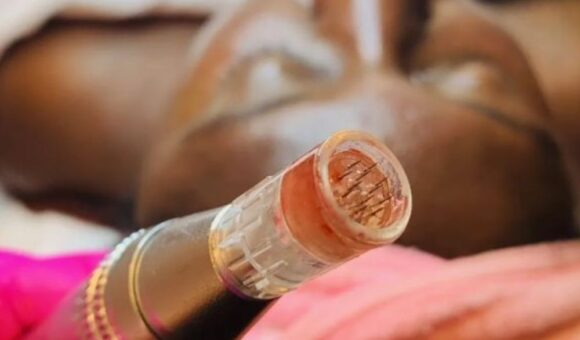
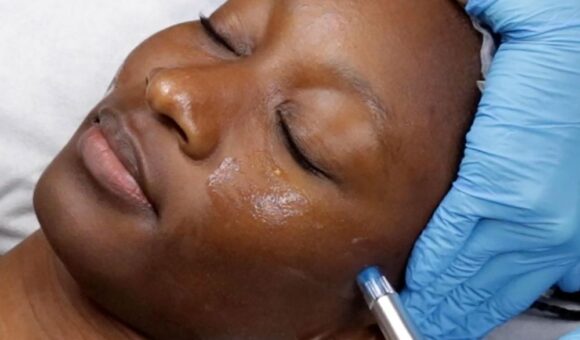
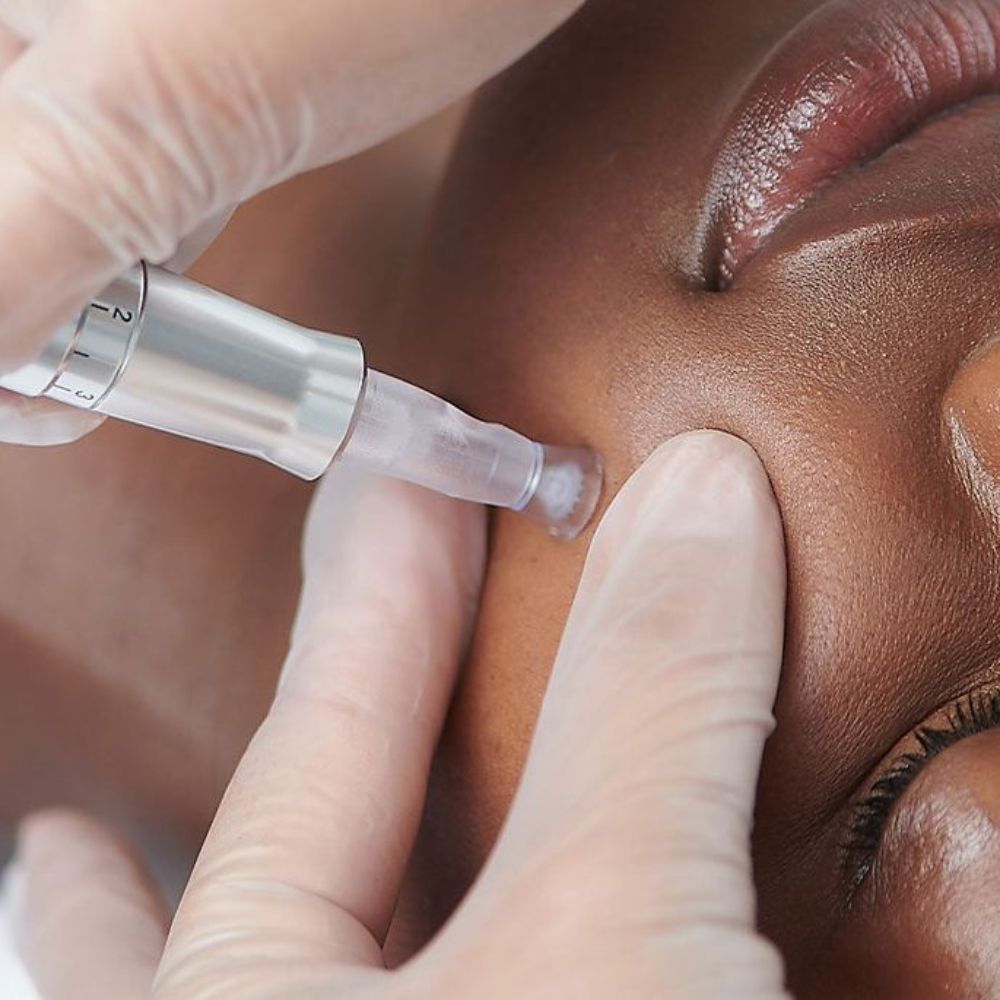
Microneedling, also called collagen induction therapy or percutaneous collagen induction, involves a device fitted with fine sterile needles that create thousands of controlled micro-injuries across the skin’s surface. Needle depth varies between 0.5 mm and 2.5 mm depending on the area being treated and the concern being addressed.
The wounds are invisible to the naked eye. What they trigger is not.
How Does Microneedling Work?
Each micro-injury activates the skin’s wound healing cascade across three overlapping phases: inflammation, proliferation, and remodelling. In the inflammatory phase, growth factors are released. In the proliferation phase, fibroblasts move in and begin depositing new collagen and elastin. In the remodelling phase, that new collagen matures and reorganises.
The result is a dermis that becomes progressively denser, more structured, and better supported. Clinical studies report up to 40% increase in dermal collagen density after a full course of three to six sessions. Importantly, microneedling also creates transient microchannels in the skin barrier that significantly increase the penetration of topically applied serums applied immediately after treatment, hyaluronic acid, growth factors, and vitamin C all absorb at much higher rates through these channels than through intact skin.
What Does Microneedling Actually Treat?
The AAD recognises microneedling as an effective treatment for a range of skin concerns:
Acne scars. This is where the strongest clinical evidence sits. A 2024 network meta-analysis of randomised controlled trials confirmed significant improvement in atrophic acne scar severity, particularly boxcar and rolling scar types. A 2024 Cureus clinical review found 68% of patients reported significant reduction in scar depth after a full treatment course, with results continuing to improve for up to six months after the final session.
Fine lines and wrinkles. New collagen and elastin plumps and firms the skin, gradually reducing the visibility of surface lines. Results are progressive, not immediate.
Enlarged pores. Collagen proliferation around follicle openings physically reduces pore appearance over successive sessions.
Hyperpigmentation and uneven tone. Microneedling accelerates cell turnover and breaks up excess melanin deposits. For hyperpigmentation specifically, results vary depending on type. See Microneedling for Hyperpigmentation for more.
Stretch marks. The same collagen induction mechanism applies to striae, though sessions required tend to be higher and timelines longer.
Hair loss. Scalp microneedling stimulates collagen and angiogenesis around follicles, improving nutrient delivery. Clinical reports show increased hair thickness and reduced shedding after three to four sessions when combined with minoxidil or PRP.
How Many Sessions Are Needed?
Most people need three to six sessions, spaced four to six weeks apart, to achieve meaningful results. For acne scars, five to six sessions is typical. Maintenance sessions once a year help preserve the collagen benefit over time.
One session will not produce dramatic change. The cumulative effect of multiple sessions is where the clinical evidence sits. Anyone promising visible transformation after a single treatment is overpromising.
Part 2 of this guide covers safety, side effects, who shouldn’t have it, and what recovery actually looks like.
Related: Microneedling for Acne Scars · Microneedling for Hyperpigmentation · Microneedling Aftercare