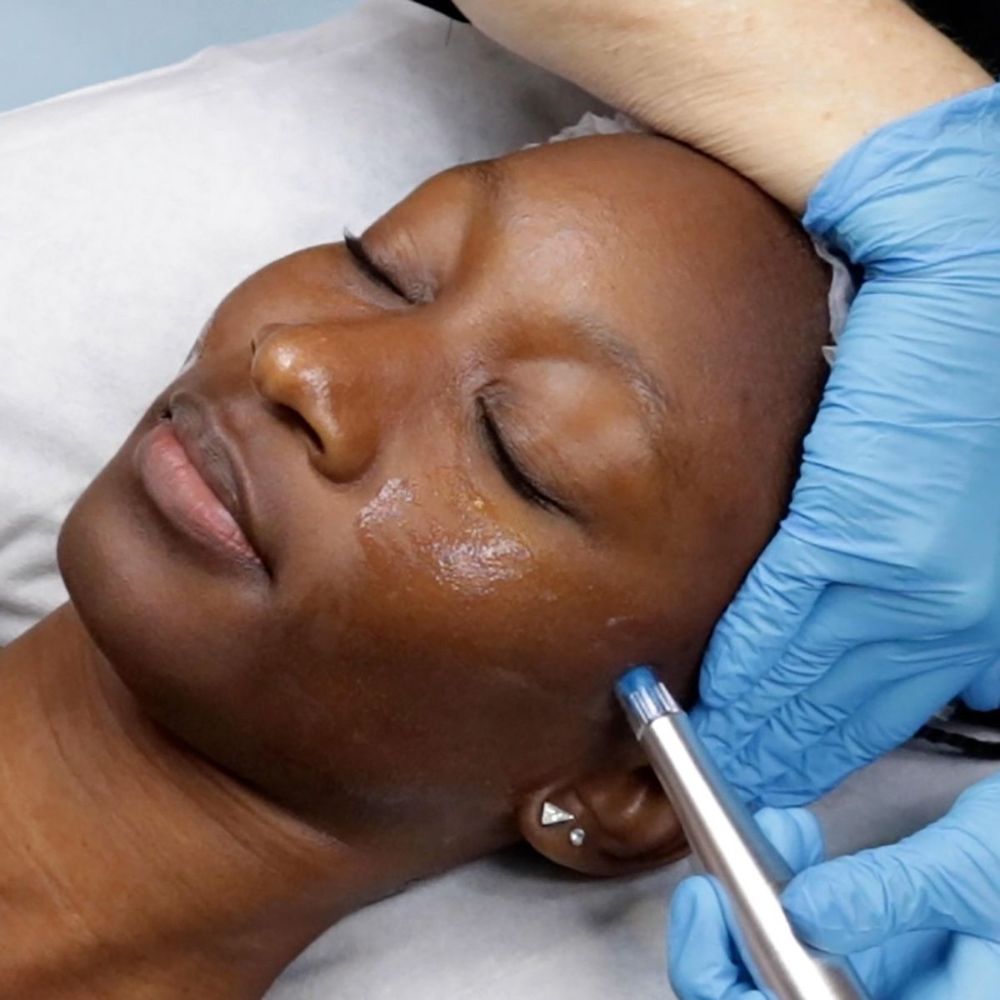
Is Microneedling Safe? Side Effects, Risks, and Who Should Avoid It
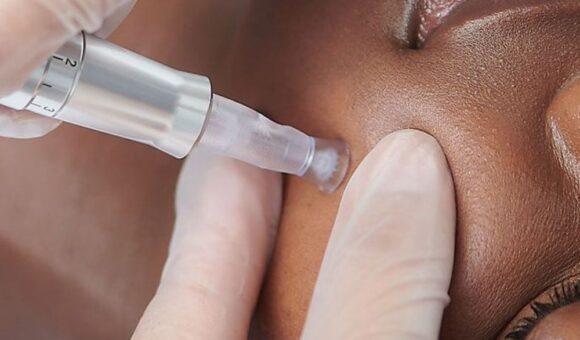
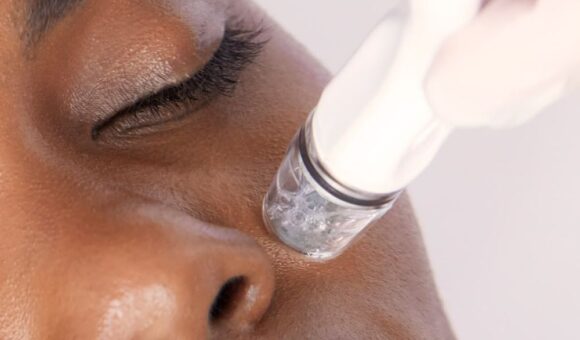
Microneedling has a strong safety profile when performed correctly by a trained professional. The word “correctly” is doing a lot of work in that sentence.
Is Microneedling Safe?
For most people and skin types, including darker skin tones, yes. The AAD lists microneedling as safe across all Fitzpatrick skin types, making it more broadly applicable than many laser treatments.
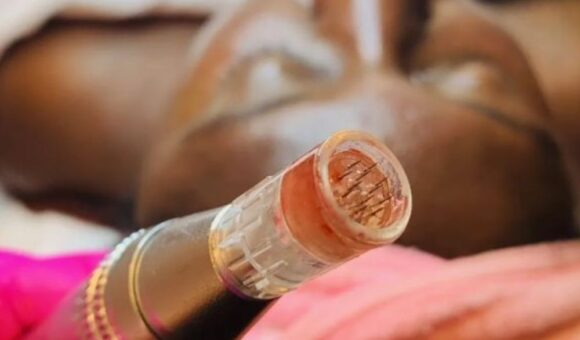
That said, the risk profile changes significantly based on who performs it and what device is used. Microneedling in unsanitary conditions, with poor technique or unsterilised equipment, is where serious complications happen: infection, scarring, permanent pigment changes. The provider matters as much as the procedure.
What Are the Normal Side Effects?
Expect these, they’re part of the process:
- Redness and a sunburn-like sensation for 24 to 48 hours
- Mild swelling for 24 to 72 hours
- Pinpoint bleeding during the session (controlled, stops quickly)
- Skin sensitivity and dryness for five to seven days
- Mild peeling or flaking as damaged skin sheds
These are not complications. They’re the inflammatory response that triggers the collagen production you came for.
Signs of an actual problem include redness or swelling worsening beyond 72 hours, pus, fever, blistering, or pain increasing rather than settling. These warrant contacting your provider immediately.
Who Should Avoid Microneedling?
This is where a thorough consultation matters. Don’t proceed without one if you have:
- Active acne lesions. Needling over inflamed acne spreads bacteria and can trigger severe flare-ups. Wait until lesions are clear.
- Keloid history. Micro-injuries can trigger abnormal scar tissue rather than smooth remodelling.
- Blood clotting disorders or anticoagulant medication. Increased bleeding and healing complications are real.
- Active infections, cold sores, or open wounds in the treatment area.
- Pregnancy.
- Recent ablative laser or deep chemical peel (wait at least four to six weeks).
- Autoimmune conditions affecting wound healing.
- Darker skin tones with a history of PIH. Aggressive settings or too-frequent sessions can trigger hyperpigmentation. Provider experience matters significantly here. See Microneedling for Hyperpigmentation.
How Long Does Recovery Take?
Visible redness settles within 48 to 72 hours for most people, with skin feeling fully normal again after five to seven days. Makeup is usually fine after 24 hours. Sunscreen is non-negotiable during the healing window: UV on inflamed, healing skin is a direct route to pigmentation.
Full collagen remodelling takes months. Results from a single session aren’t visible for six to eight weeks, which is why sessions are spaced four to six weeks apart.
At-Home Derma Rollers: Not the Same Thing
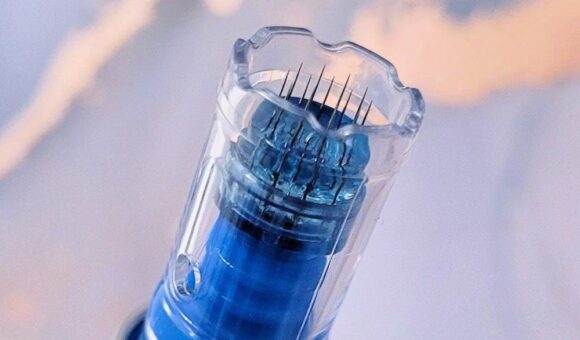
At-home derma rollers use needles of 0.25 mm, reaching the upper epidermis at best. Professional devices penetrate up to 2.5 mm, reaching the papillary dermis where collagen remodelling actually happens. The FDA hasn’t cleared home devices for treating scars or wrinkles, and results from home rolling are not comparable to clinical treatment. The FDA issued a safety alert in October 2025 about serious adverse events from RF microneedling devices used outside clinical settings, including burns, fat loss, and permanent scarring.
The Bottom Line
Microneedling is well-evidenced, broadly safe, and applicable to a wider range of skin tones than most energy-based treatments. The risk is not in the procedure itself. It’s in choosing the wrong provider, the wrong settings, or the wrong timing.
Book a microneedling consultation to find out whether treatment is right for your skin and what a realistic plan looks like.
Related: Microneedling for Acne Scars · Microneedling for Hyperpigmentation · Microneedling Aftercare: What to Do and Avoid