Microneedling for Acne Scars: Does It Work and How Many Sessions Do You Need?
Acne scars aren’t surface-level marks. They’re structural changes in the dermis where collagen was damaged during inflammatory acne. That distinction matters because it determines what kind of treatment actually works, and why.
Does Microneedling Work for Acne Scars?
Yes, and it has the strongest clinical evidence base of any single microneedling indication.
A meta-analysis of 33 studies found consistent improvement in scar appearance across every study. A 2024 network meta-analysis of randomised controlled trials confirmed significant reductions in scar severity scores, particularly for atrophic types. Clinical studies report 25% to 75% improvement depending on scar type, depth, and protocol.
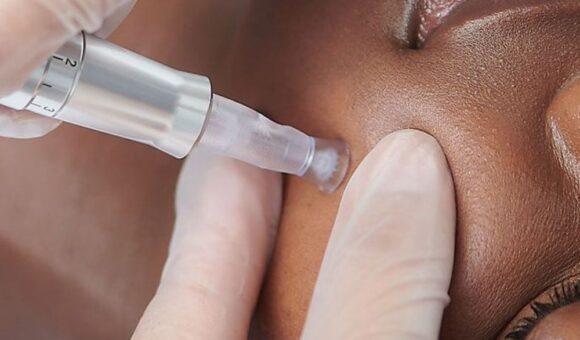
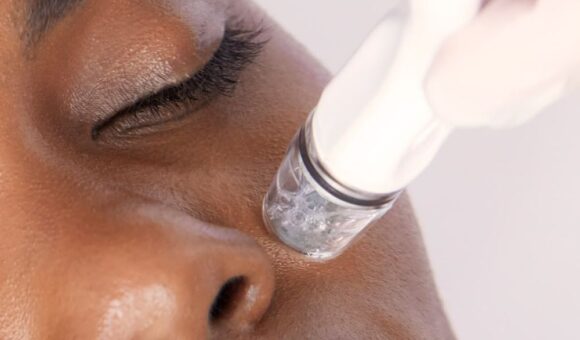
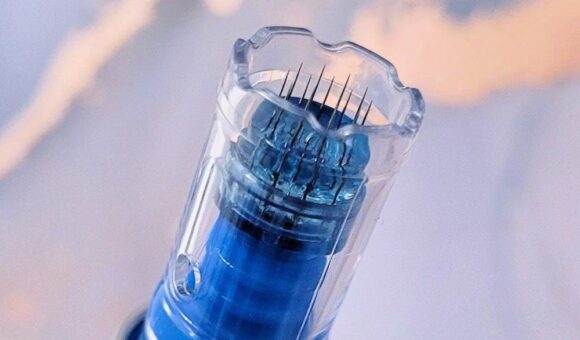
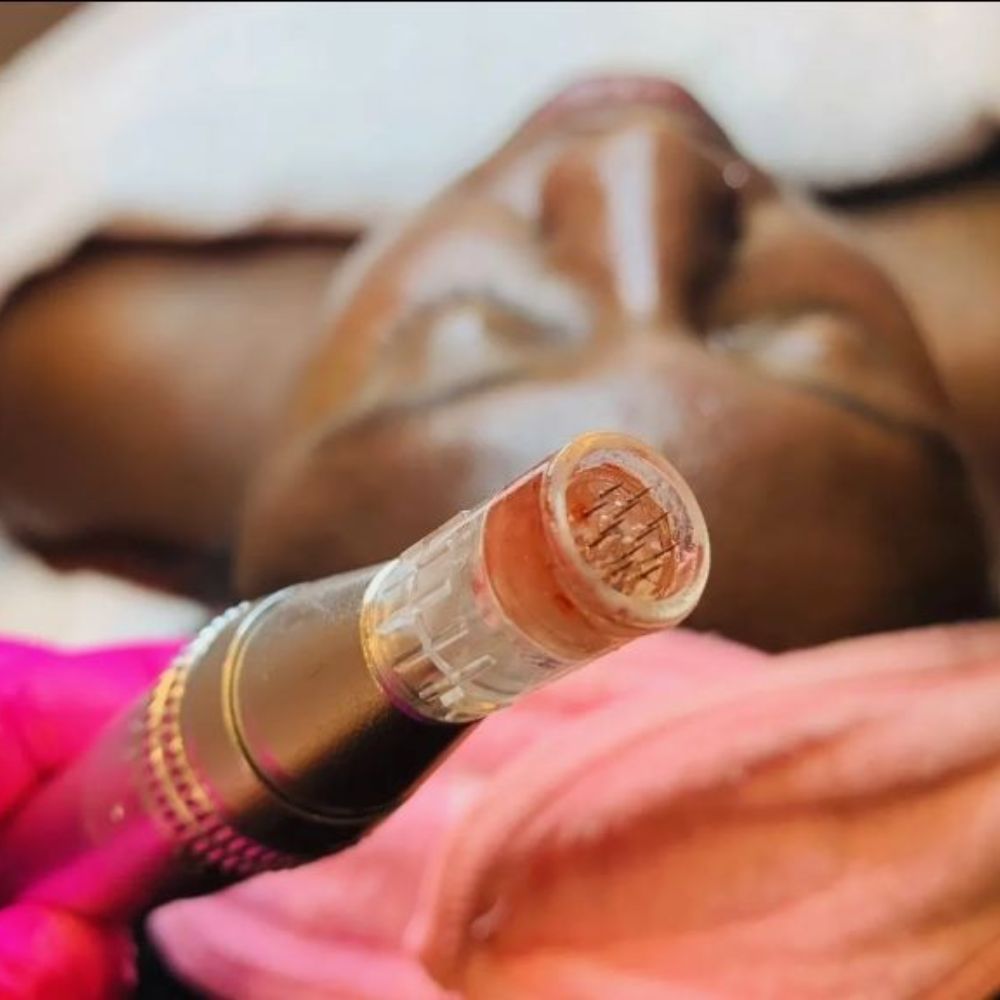
The mechanism: microneedling creates controlled micro-injuries that trigger the wound healing cascade, activating fibroblasts to produce new collagen and elastin underneath the scar depression, gradually elevating the scar floor from below. Not erasure. Progressive, measurable improvement.
Which Acne Scars Does Microneedling Actually Improve?
Not all scars respond equally, and being clear about this upfront saves a lot of frustration.
Rolling scars. Broad, undulating depressions with sloped edges. These respond well to microneedling because the dermis underneath is accessible to needle penetration, and new collagen can physically elevate the depression floor. Visible softening typically begins after two to three sessions.
Boxcar scars. Wider depressions with sharper, more defined edges. Shallow boxcar scars respond well; deeper ones require more sessions and may benefit from combination approaches. Noticeable improvement is usually visible after side-by-side comparison from session three or four.
Ice pick scars. Narrow, deep, V-shaped channels penetrating far into the dermis. Microneedling alone produces limited improvement here because the channel is too deep and narrow for needles to effectively reach. These typically need TCA CROSS, subcision, or punch excision either before or alongside microneedling. If your scars are primarily ice pick type, manage expectations accordingly.
Post-inflammatory hyperpigmentation. Dark marks left after acne heals. These aren’t structural scars, they’re pigmentation. Microneedling can accelerate cell turnover and break up melanin deposits, but there are additional considerations.
How Many Sessions Do You Need?
Realistic numbers based on clinical evidence:
- Mild scarring: two to three sessions
- Moderate scarring: three to four sessions
- Severe or widespread atrophic scarring: five to six sessions, sometimes more
Sessions are spaced four to six weeks apart to allow complete healing and collagen maturation between treatments. Rushing the schedule keeps inflammation elevated and increases the risk of post-inflammatory hyperpigmentation.
How Long Does It Take to See Results?
This is where most people underestimate the timeline.
After two sessions (roughly month one): 15% to 20% improvement in scar appearance is typical, mostly in skin texture. Patient satisfaction tends to be moderate at this stage.
After three to four sessions (around month three): this is when results become meaningfully visible. Clinical studies show 51% to 60% improvement in scar depth and texture. Patient satisfaction jumps to 80% to 85%.
After your final session: collagen remodelling continues for up to six months. Your full result isn’t visible until six months post-final treatment, not six weeks. Don’t judge the outcome early.
Maintenance sessions once a year help preserve results as natural collagen degradation continues over time.
Part 2 covers safety for dark skin, what to expect session by session, combination treatments, and when microneedling alone isn’t the right tool.
Related: Microneedling: What It Is, Benefits, Results and Risks · Acne Treatment Guide