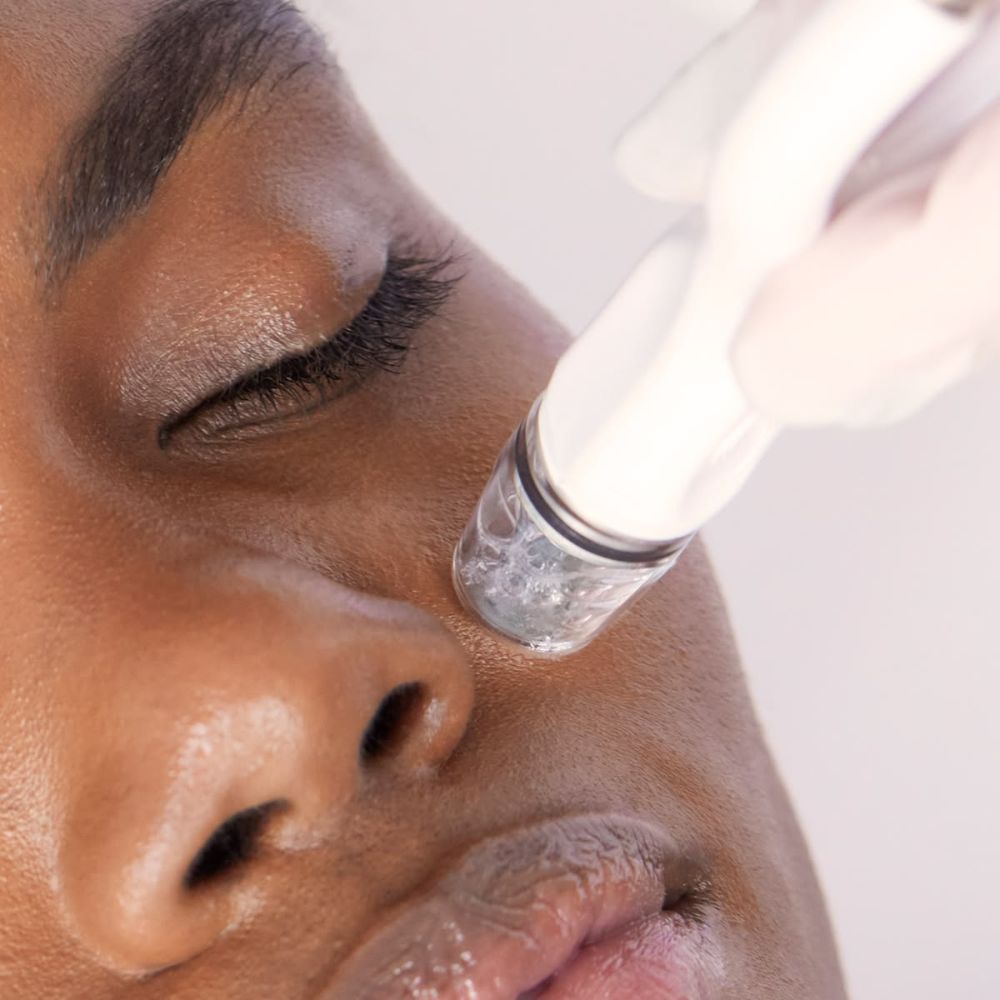
Can Microneedling Help Hyperpigmentation and Dark Spots? (Part 1)
The honest answer to this question is more nuanced than most clinics will tell you. Microneedling can help with certain types of hyperpigmentation. It can also make things worse if done incorrectly. And the distinction between the two depends mostly on what’s causing your pigmentation, your skin tone, and who’s performing the treatment.
Does Microneedling Remove Hyperpigmentation?
Not remove, no. But it can meaningfully reduce it, particularly for post-inflammatory hyperpigmentation (PIH), the dark marks left after acne heals or other skin inflammation.
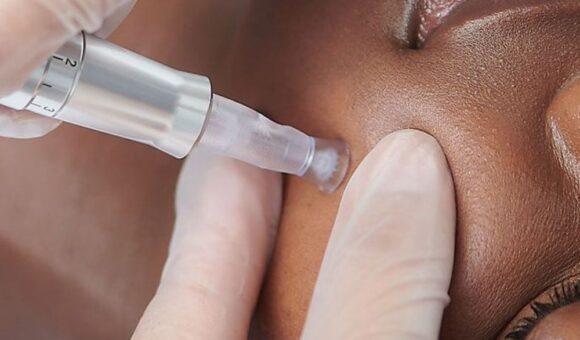
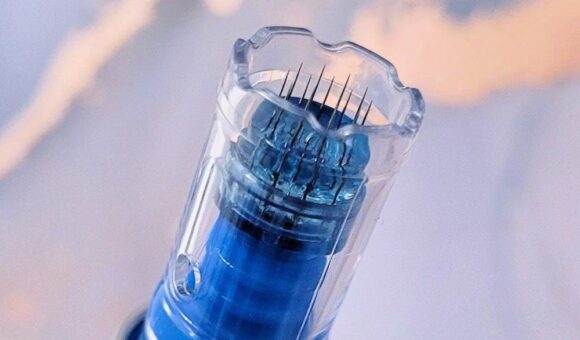
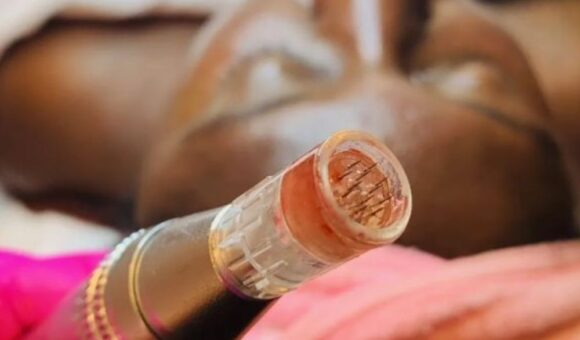
Microneedling works on pigmentation through two mechanisms. First, micro-injuries accelerate skin cell turnover, moving pigment-laden cells toward the surface where they shed faster. Second, the microchannels created in the skin barrier dramatically increase absorption of topically applied pigmentation-fading agents immediately after treatment. Tranexamic acid and vitamin C penetrate at much higher concentrations through these channels than through intact skin.
A 2025 systematic review confirmed microneedling combined with tranexamic acid outperformed microneedling alone for melasma. A 2025 RCT in the European Journal of Medical Research found microneedling-assisted tranexamic acid delivery outperformed both metformin delivery and standard topical treatment over eight weeks.
The evidence for PIH is clearest: gradual softening of dark spots over multiple sessions when combined with appropriate skincare. For melasma, it’s more complicated. Melasma sits deeper and is hormonally and UV-driven. Microneedling alone isn’t an established melasma treatment. Its value is as a delivery vehicle for proven lightening agents, with photoprotection as the non-negotiable foundation.
Can Microneedling Worsen Dark Spots?
Yes, and this is the part that gets glossed over.
The same inflammation that makes microneedling therapeutically useful can, if it’s excessive or poorly managed, trigger the skin’s melanocytes to produce more pigment. This is treatment-induced PIH, and it’s more likely to occur when:
- Needle depth is set too aggressively for the skin tone
- Sessions are scheduled too close together, keeping inflammation elevated
- The treated area is exposed to UV during healing
- The provider lacks experience in treating darker skin tones
Distinguishing between temporary post-treatment darkening (normal healing, fades in two to four weeks) and treatment-induced worsening (new or deepened pigmentation persisting beyond healing) is important. If pigmentation is getting darker at the six-week mark rather than improving, that’s a sign something went wrong, not a reason to push harder.
Is Microneedling Safe for Dark Skin?
Safer than most alternative procedures, yes, but not without nuance.
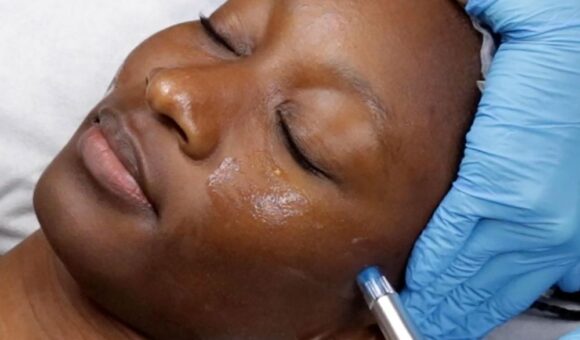
This is microneedling’s significant advantage over lasers for dark skin. Lasers deliver thermal energy, which triggers melanocytes in melanin-rich skin and carries a high PIH risk in Fitzpatrick types IV to VI. Microneedling uses mechanical micro-injury with no heat. Clinical studies published in PubMed Central confirm this heat-free approach offers a safer pathway for complex pigment concerns like melasma in darker skin tones.
That said, safer than lasers isn’t the same as safe regardless of how it’s done. In Fitzpatrick types IV to VI, protocol matters: conservative needle depth, full healing time between sessions, rigorous sun protection throughout, and a provider experienced with your skin tone specifically. Research shows lighter skin (Fitzpatrick I to III) produces more consistent improvement, not because darker skin can’t benefit, but because the protocols are less forgiving of mistakes.
Related: What Is Hyperpigmentation? Causes, Types and Treatment Options · The Best Treatments for Hyperpigmentation on Dark Skin · Microneedling: What It Is, Benefits and Risks