How to Control Hunger When Trying to Lose Weight (Part 2: What Actually Helps)
Choosing the right foods is one lever. The other levers, sleep, stress, meal structure, hydration, and sometimes medication, are just as real and just as often ignored.
How Can I Control Hunger Naturally?
Eat protein first at every meal. Not alongside everything else. First. It sets the hormonal tone for the meal and reduces ghrelin more effectively than fat or carbohydrates. Aim for 25 to 40g of protein per meal rather than concentrating intake at dinner, which is what most people default to. Spreading it across meals produces a sustained satiety effect throughout the day.
Don’t drink your calories. Liquid calories don’t trigger the same satiety response as solid food. A study comparing liquid versus solid snacks found people consumed more later in the day after drinking calories, even when the calorie count was identical. Smoothies, juices, and alcohol are particularly deceptive here.
Eat slowly and without screens. Your stomach takes around 20 minutes to signal fullness to your brain. Eat fast and most people have overshot before that signal arrives. Screens extend the delay further.
Drink water before meals. Drinking 500ml before eating has been shown to reduce calorie intake at that meal. Mild dehydration also frequently registers as hunger, making water one of the cheapest appetite tools available.
Don’t skip meals. Skipping to save calories typically produces stronger hunger later and higher total intake by end of day. Regular meal timing stabilises hunger hormone rhythms throughout the day.
Prioritise sleep. Sleep deprivation directly elevates ghrelin and suppresses leptin: the exact hormonal state that makes hunger during weight loss hardest to manage. Harvard research links consistently poor sleep to higher rates of weight gain, independent of diet. Seven to nine hours isn’t self-indulgence here. It’s clinical.
Manage stress. Elevated cortisol increases appetite, promotes abdominal fat storage, and specifically triggers cravings for calorie-dense food. High stress plus poor sleep means fighting appetite biology on two fronts while maintaining a deficit. Something will give.
Control your environment. You eat what’s available. Environmental design is more reliable than willpower when ghrelin is elevated. Keep calorie-dense food out of the house.
When Can Medication Help With Appetite Management?
When lifestyle strategies are genuinely in place and hunger is still the limiting factor, this is when a clinical conversation about appetite-modulating medication becomes warranted.
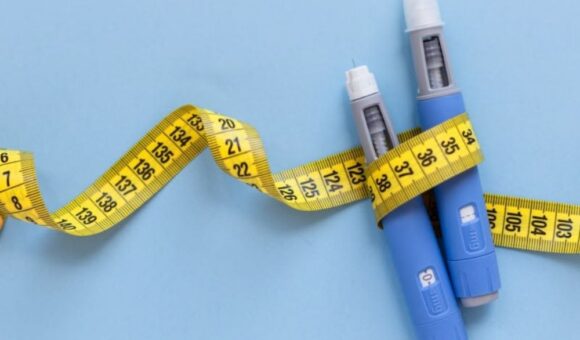
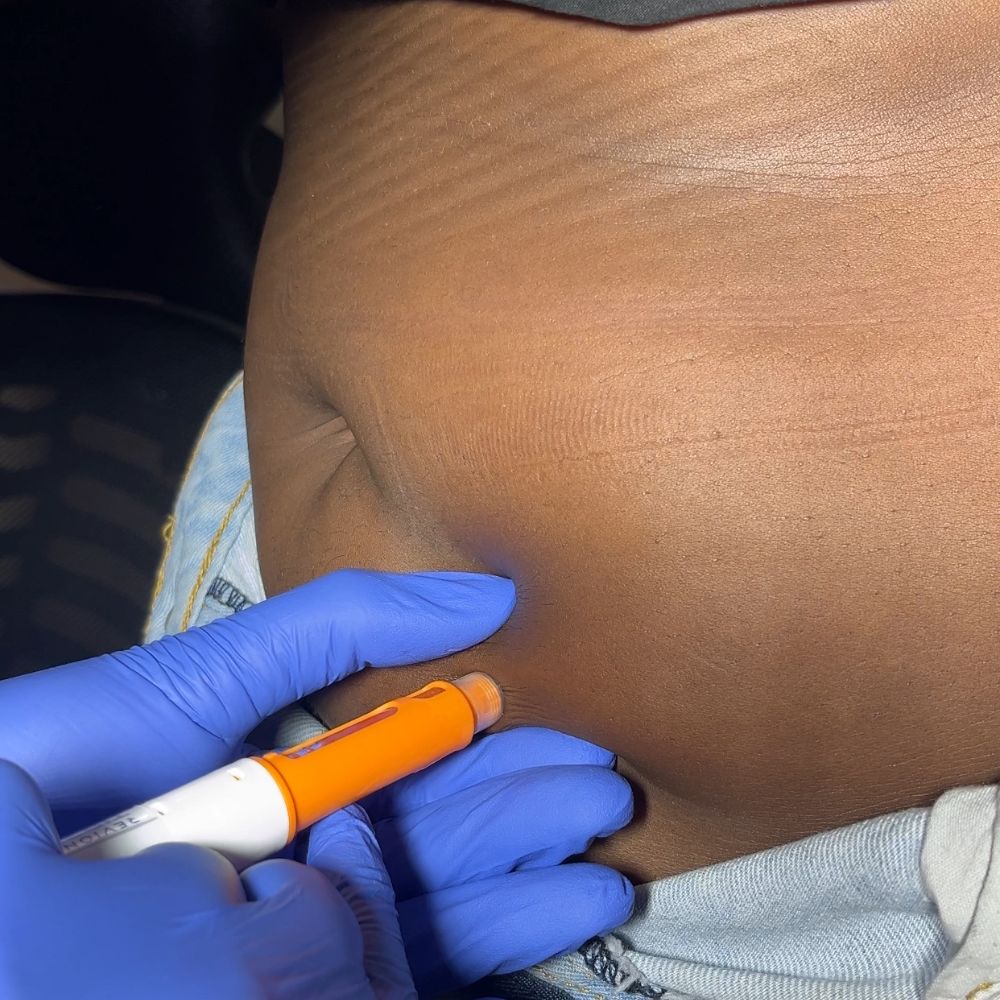
GLP-1 receptor agonists like semaglutide (Ozempic, Wegovy) and tirzepatide work directly on the hunger biology described in Part 1: they suppress ghrelin, increase satiety signals, and slow gastric emptying. They don’t override the need for good habits, but they significantly reduce the hunger penalty you pay for maintaining a deficit.
These aren’t casual decisions. They require medical assessment, appropriate candidacy criteria, and ongoing monitoring. See Weight-Loss Injections: How They Work and Who May Be Eligible for the full clinical picture.
The point is: persistent, overwhelming hunger during weight loss is not always a discipline problem. Sometimes it’s a biology problem that needs a clinical solution.
The Bottom Line
Hunger during weight loss is biologically real, hormonally driven, and designed by your body to outlast your motivation. Fighting it with willpower alone is an uphill game. Protein, fibre, sleep, stress management, and structured eating are the practical levers. When those aren’t enough, a professional assessment can determine whether there are medical options worth discussing.
Explore personalised weight-management support. Book a consultation.
Related: Why Am I Not Losing Weight on Ozempic? · How Much Weight Can You Safely Lose in a Week? · Weight-Loss Injections: How They Work and Who May Be Eligible