The Best Ingredients for Treating Hyperpigmentation
If you’re looking for the best ingredients for hyperpigmentation, you’ll find plenty of options online: vitamin C, niacinamide, azelaic acid, tranexamic acid, retinoids, and hydroquinone are all commonly discussed. They don’t all work the same way, though, and no single ingredient is best for every type of pigmentation. The right choice depends on what’s causing your pigmentation, your skin type, and how your skin responds.
What Ingredients Actually Fade Hyperpigmentation?
Vitamin C. Has antioxidant properties and can interfere with melanin production, which is why it’s commonly used to brighten uneven skin tone. Not all formulations are stabilised the same way, so results vary between products, and it works best alongside sun protection rather than alone.
Niacinamide. May reduce hyperpigmentation by interfering with how melanin-containing cells transfer to skin cells. Clinical research supports improvement in appearance with topical use, and it’s generally well tolerated, though well tolerated doesn’t mean it works equally well for everyone.
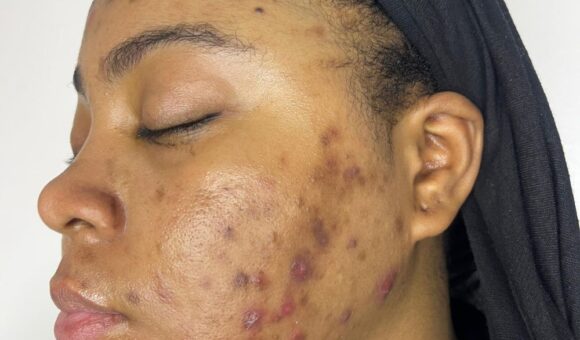
Azelaic acid. Has anti-inflammatory and pigment-targeting properties, making it particularly useful when pigmentation is tied to acne since it can address both the acne and the resulting post-inflammatory marks at once.
Tranexamic acid. Studied specifically for melasma and other pigmentation concerns, and can be used topically. Oral tranexamic acid has also been studied for melasma, but that’s a different matter entirely from a skincare product and should only be used under medical supervision, never self-prescribed.
Retinoids. Increase skin-cell turnover and are commonly used for acne and certain pigmentation disorders, making them useful when hyperpigmentation is acne-related. They can cause initial irritation, though, which can be counterproductive if you’re prone to PIH, so they need to be introduced gradually rather than used aggressively.
Hydroquinone. One of the more established treatments, working by reducing melanin production for conditions like melasma and PIH. It isn’t for casual or indefinite use: prolonged or inappropriate use can cause exogenous ochronosis, a condition that causes blue-black skin discoloration. Professional guidance is advisable before starting it.
Which Ingredient Is Best for My Pigmentation?
There isn’t one universal answer:
- Acne plus dark marks: azelaic acid or a retinoid, since both address the acne and the pigmentation together
- General uneven tone: vitamin C or niacinamide as part of a broader routine
- Melasma: typically several approaches combined, including topical treatment and strict photoprotection
- Persistent pigmentation: a professional may recommend prescription options or procedures
The real question isn’t “which ingredient is strongest. It’s which ingredient is appropriate for my type of pigmentation.
A Few Practical Notes
Sunscreen isn’t optional here. UV and visible light can both worsen pigmentation, so no routine above works without consistent broad-spectrum protection underneath it.
More isn’t better, either. Stacking several of these actives at once tends to cause irritation rather than faster results, and for anyone prone to PIH, that irritation can create more pigmentation than it resolves. A simple routine your skin actually tolerates outperforms a complicated one.
For how long these ingredients realistically take to work, and when skincare alone stops being enough, see Why Isn’t My Hyperpigmentation Fading? and When Should You See a Professional for Hyperpigmentation?
The Bottom Line
Several ingredients have real evidence behind them for hyperpigmentation, but the best one depends on the type and cause of your pigmentation, not what’s trending. Start with the right diagnosis, use appropriate products consistently, and protect your skin from the sun.
Book a consultation with Botaderm to find out which ingredients actually fit your skin.