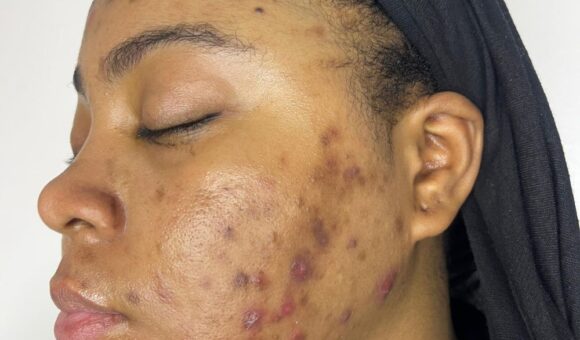
What Is Hyperpigmentation? Causes, Types and Treatment Options
Have you ever noticed a dark mark after a pimple disappears and wondered why it seems to stay for weeks or even months?
Or maybe you’ve noticed darker patches on your cheeks, forehead, or other areas of your skin.
If so, you may be dealing with hyperpigmentation.
Hyperpigmentation simply means that an area of skin becomes darker than the surrounding skin because of increased or uneven melanin production. It can affect any skin tone and can appear on the face or other parts of the body.
The important thing to know is that hyperpigmentation isn’t one specific condition. Different types have different causes and may require different treatments.
What causes hyperpigmentation?
Dark spots and patches can develop for several reasons, including:
- Acne and other skin inflammation
- Cuts, burns, or other skin injuries
- Sun exposure
- Hormonal changes
- Certain medications
- Skin conditions such as melasma
- Irritation from skincare products or procedures
One of the most common forms is post-inflammatory hyperpigmentation (PIH). This happens when the skin produces excess pigment after inflammation or injury. Acne is a common trigger, and PIH can be particularly noticeable and persistent in darker skin tones.
What are the different types of hyperpigmentation?
Post-inflammatory hyperpigmentation
This is the dark mark that remains after inflammation or an injury has healed.
Common triggers include acne, eczema, insect bites, burns, cuts, and skin irritation.
If you’ve ever had a pimple disappear only to leave a dark mark behind, that’s a common example of PIH.
Melasma
Melasma causes darker patches, usually on the face. It commonly appears on the cheeks, forehead, upper lip, and nose.
Sun exposure can make melasma worse, while hormonal factors may also contribute.
Melasma is different from an acne mark, which is why identifying the cause of pigmentation matters before choosing a treatment.
Sun-induced pigmentation
Repeated sun exposure can contribute to increased pigmentation and can make existing dark spots more noticeable.
This is one reason daily sun protection is so important when you’re trying to manage pigmentation.
Can hyperpigmentation be treated?
Yes, but the right treatment depends on what’s causing it.
Treatment options may include:
- Daily sun protection
- Topical treatments
- Retinoids
- Azelaic acid
- Prescription pigment-targeting treatments
- Chemical peels
- Laser or light-based treatments in selected cases
Not every treatment is suitable for every person. Procedures such as chemical peels and lasers need particular care in darker skin because irritation or inflammation can sometimes make pigmentation worse.
How long does hyperpigmentation take to fade?
There’s no exact timeline.
Some pigmentation gradually becomes lighter on its own, while other marks can persist for months or longer.
How quickly it fades can depend on the cause, your skin type, how deeply the pigment sits in the skin, sun exposure, the treatment you’re using, and how consistently you use it.
If new acne or inflammation continues, new dark marks can also continue to develop.
Can skincare make hyperpigmentation worse?
It can.
Over-exfoliating, using too many strong active ingredients, or undergoing procedures that unnecessarily irritate the skin can cause inflammation. That inflammation may contribute to further pigmentation.
If your skin is constantly burning, peeling, or becoming irritated, stronger treatment isn’t necessarily the answer.
When should you see a professional?
Consider getting your pigmentation assessed if:
- You don’t know what caused it.
- Your dark spots keep returning or getting darker.
- Your pigmentation isn’t improving with appropriate skincare.
- You have widespread or unusual pigmentation.
- You’re considering chemical peels, microneedling, or laser treatment.
- You’re unsure whether you’re dealing with acne marks, melasma, or another condition.
A professional assessment can help identify the likely cause of your pigmentation and determine which treatment options are appropriate for your skin.
The bottom line
Hyperpigmentation is increased or uneven skin pigmentation, but the cause can vary.
Acne, inflammation, sun exposure, hormonal factors, and conditions such as melasma can all contribute to darker areas of skin.
The right treatment depends on what’s causing the pigmentation, not simply how dark the spot looks.
If your pigmentation has been persistent or you’re unsure what you’re treating, getting an assessment before starting aggressive treatment can help you choose a safer and more appropriate approach.
Ready to address persistent pigmentation?
Book a hyperpigmentation consultation with Botaderm to have your skin assessed and discuss suitable treatment options.