How to Clear Acne: Understanding Your Skin and Choosing the Right Treatment
If you’ve been searching for how to clear acne, you’ve probably come across hundreds of different recommendations.
Use salicylic acid. Try benzoyl peroxide. Stop eating dairy. Buy a new cleanser. Exfoliate more. Don’t exfoliate at all.
With so much conflicting advice, it’s easy to become frustrated, especially when you’ve already tried several products and your acne keeps coming back.
The truth is that acne can be treated, but there is no single acne treatment that works for everyone. The right approach depends on your type of acne, how severe it is, what may be triggering it and how your skin responds to treatment.
So, how do you actually clear acne?
You need to identify what you’re dealing with, use an appropriate treatment consistently, give it enough time to work and know when it’s time to seek professional help.
Quick Answer: How Do You Actually Clear Acne?
To clear acne, you generally need a treatment plan that addresses your specific type and severity of acne.
Depending on your skin, treatment may include:
- A gentle skincare routine
- Topical acne treatments
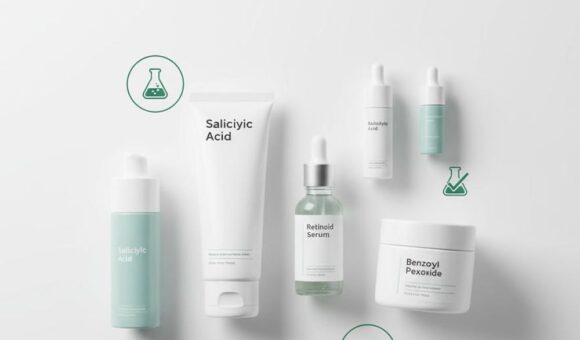
- Ingredients such as adapalene, benzoyl peroxide, salicylic acid or azelaic acid
- Prescription treatments
- Hormonal treatment for some patients
- Oral medication for moderate-to-severe acne
- Professional treatment where appropriate
- A maintenance plan to prevent new breakouts
The goal isn’t simply to get rid of the pimples you have today. Effective acne treatment also aims to prevent new breakouts and reduce the risk of scarring and persistent dark marks.
Step 1: Understand What Is Causing Your Acne
Before deciding how to treat acne, you need to understand what may be causing it.
Acne develops when pores become clogged. Hormones, excess oil, inflammation, genetics and other factors can influence whether someone develops acne and how severe it becomes.
Common factors associated with acne include:
- Hormonal changes
- Excess oil production
- Clogged pores
- Genetics
- Certain skincare and hair products
- Stress
- Some dietary factors
- Certain medications
This is why copying another person’s skincare routine isn’t always the answer.
The treatment that works for someone else may not address the reason your skin keeps breaking out.
Want to understand what’s actually happening beneath your skin? Learn more about what causes acne and why you may keep breaking out.
Step 2: Identify the Type of Acne You Have
Not all acne looks or behaves the same way.
Blackheads and Whiteheads
These occur when pores become clogged. Blackheads are open clogged pores, while whiteheads are closed clogged pores.
Papules and Pustules
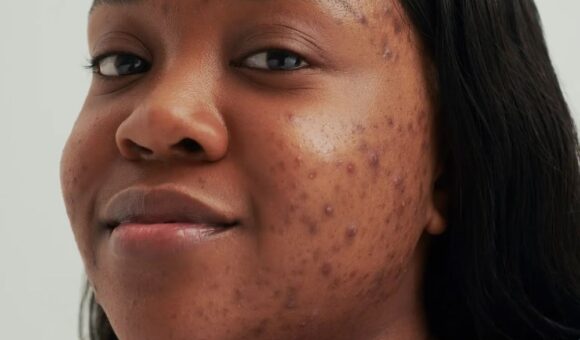
These are inflamed acne lesions. Papules are usually red and raised, while pustules contain visible pus.
Nodules and Cysts
These are deeper, often painful forms of acne that can increase the risk of permanent scarring.
Understanding the type of acne you have matters because different types and severities may require different treatments.
Deep, painful or scarring acne should not simply be treated by continuously experimenting with over-the-counter products. Professional assessment may be appropriate.
Step 3: Build a Simple Acne Skincare Routine
Your skincare routine should support your acne treatment, not constantly irritate your skin.
A simple routine can include:
Morning
Gentle cleanser → acne treatment if recommended → moisturiser → sunscreen
Evening
Gentle cleanser → acne treatment → moisturiser
Look for skincare products labelled non-comedogenic, oil-free or won’t clog pores, particularly if you are prone to clogged pores and breakouts.
You also don’t need to scrub your face aggressively to remove acne.
In fact, excessive scrubbing and irritating products can make acne-prone skin worse. Dermatologists recommend gentle skincare rather than repeatedly irritating the skin.
Step 4: Use Evidence-Based Acne Treatments
There are several established ingredients used to treat acne. Which one is appropriate depends on your skin and the type of acne you’re experiencing.
Retinoids
Topical retinoids such as adapalene can help unclog pores and treat blackheads, whiteheads and some pimples. They may also be used as maintenance treatment once acne is under control.
Benzoyl Peroxide
Benzoyl peroxide helps reduce acne-causing bacteria and may be used alone or alongside other acne treatments.
Salicylic Acid
Salicylic acid helps unclog pores and can be useful for certain types of acne, particularly blackheads and whiteheads.
Azelaic Acid
Azelaic acid can help treat acne and may also help with the pigmentation that can remain after breakouts.
The important thing is not to assume that using every active ingredient simultaneously will clear your skin faster.
More products do not necessarily mean better results.
What Is the Most Effective Acne Treatment?
This is one of the most searched questions about acne, but there isn’t one treatment that is best for everyone.
The most effective treatment is the one that appropriately addresses your type and severity of acne.
For some people with mild acne, an appropriate topical treatment and consistent skincare may be enough.
Others may require prescription medication.
People with moderate-to-severe acne may need oral medication, while some patients with hormonally influenced acne may benefit from hormonal treatment.
This is why professional assessment can be more useful than continually buying new skincare products.
Found the Right Treatment but Still Not Seeing Results?
Choosing an appropriate treatment is an important first step. But even the right treatment may take time to work.
If you’re wondering why your acne treatment isn’t working yet, how long you should wait, or whether your skincare habits could be getting in the way, [find out what may be affecting your results and when it’s time to reassess your treatment].