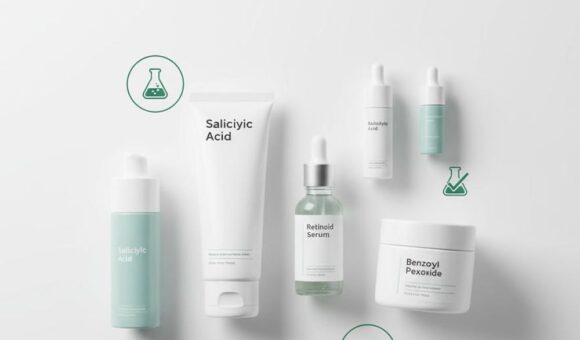
How to Prevent Acne: Simple Ways to Reduce Breakouts and Protect Your Skin
If you have read the first two articles in this series, you already know that acne is not caused by one thing.
Read the first two articles Here.
Hormones, genetics, oil production, skincare products, stress, diet and other factors can all play a role.
You cannot control every one of these factors.
But there are several things you can control.
1. Choose Products Suitable for Acne-Prone Skin
Some skincare, makeup and haircare products can contribute to breakouts, particularly if they are heavy or pore-clogging.
When choosing products, look for terms such as:
- Non-comedogenic
- Non-acnegenic
- Oil-free, where appropriate
Remember that everyone’s skin responds differently. A product labelled non-comedogenic may still not be right for you.
Pay attention to products that repeatedly seem to make your skin worse.
2. Keep Your Routine Simple and Consistent
When you have acne, it can be tempting to keep adding products.
One week it is a new cleanser. Then an acne serum. Then another treatment you saw online.
Constantly changing your routine can make it difficult to know what is actually helping your skin.
A simple, consistent routine is often a better starting point than introducing several new products at once.
3. Avoid Picking or Squeezing Pimples
This is one of the simplest things you can control.
Picking, squeezing or scratching acne can increase irritation and inflammation.
It may also increase the risk of dark marks and scarring, particularly with deep or inflamed acne.
If you want to protect your skin from unnecessary marks, leave your pimples alone.
4. Do Not Over-Cleanse
Acne is not caused by dirty skin.
Washing your face more frequently will not necessarily prevent breakouts.
Aggressive scrubbing and over-cleansing can irritate your skin and make it harder to maintain a healthy skin barrier.
Instead, focus on gentle and consistent cleansing.
5. Remove Makeup Before Bed
If you wear makeup, make removing it before sleeping part of your routine.
Leaving products on your skin overnight can contribute to product build-up.
Choose makeup and skincare products that are appropriate for your skin and pay attention to anything that repeatedly seems to trigger breakouts.
6. Pay Attention to Your Hair Products
Your skincare routine is not the only thing that comes into contact with your face.
Hair oils, pomades and styling products can transfer onto the skin, particularly around the forehead and hairline.
If you consistently notice breakouts in these areas, consider whether your hair products could be contributing.
7. Manage Stress Where Possible
You cannot remove every source of stress from your life.
However, finding practical ways to manage stress can support your overall wellbeing and may help reduce one potential contributor to acne flare-ups.
Stress management should be part of a broader approach, rather than a replacement for appropriate acne care.
8. Pay Attention to Patterns in Your Diet
Diet affects everyone’s skin differently.
Some research has found associations between acne and certain dietary patterns, including high-glycaemic foods and cow’s milk.
However, there is no single food or diet guaranteed to prevent acne for everyone.
Instead of making extreme dietary changes, pay attention to patterns and seek appropriate professional advice if you have concerns.
Can You Completely Prevent Acne?
Not always.
You cannot control your genetics, and hormonal fluctuations are not always preventable.
The goal is not necessarily to guarantee that you will never experience another pimple.
Instead, focus on reducing avoidable triggers and supporting your skin consistently.
That means:
- Choosing suitable products
- Keeping your routine consistent
- Avoiding unnecessary irritation
- Not picking or squeezing
- Removing makeup before bed
- Paying attention to recurring triggers
- Managing stress where possible
- Seeking professional help when needed
The Bottom Line
There is no perfect acne-prevention routine that works for everyone.
What matters is understanding your skin, identifying the factors that may be contributing to your breakouts and avoiding habits that can make them worse.
Keep it simple. Stay consistent. Avoid picking. Choose your products carefully.
And if your acne continues despite your efforts, professional assessment may be the next step.
This completes the series: first understand what causes acne, then identify why yours may keep returning, and finally take practical steps to manage it.