How to Tell If Your Acne Is Hormonal
Hormones can play an important role in acne, particularly in adult women. Hormonal fluctuations can increase oil production and contribute to clogged pores and inflammation.
However, the location of your acne alone cannot confirm that hormones are the cause.
What Is Hormonal Acne?
Hormonal acne is acne influenced by changes in hormone levels, particularly androgens. These hormonal changes can stimulate oil production and contribute to clogged pores and breakouts.
Hormonal changes can occur around:
- Your menstrual period
- Pregnancy
- Perimenopause and menopause
- Starting or stopping hormonal contraception
- Other hormonal changes
How Do I Know If My Acne Is Hormonal?
There isn’t a simple home test that can confirm hormonal acne. However, certain patterns may suggest that hormones are contributing.
Your acne follows your menstrual cycle
If you consistently notice breakouts in the days before your period or around the same point in your cycle, hormones may be contributing.
Your breakouts are concentrated around your lower face
Hormonal acne is commonly associated with the:
- Chin
- Jawline
- Lower cheeks
But acne in these areas can have other causes, so location alone isn’t enough to diagnose hormonal acne.
Your acne keeps returning
Recurring breakouts despite a consistent skincare routine may be a reason to have your acne professionally assessed.
Your acne started or worsened during adulthood
Adult acne can sometimes be associated with hormonal fluctuations, including changes related to menstruation, pregnancy, perimenopause, menopause or hormonal contraception.
What Does Hormonal Acne Look Like?
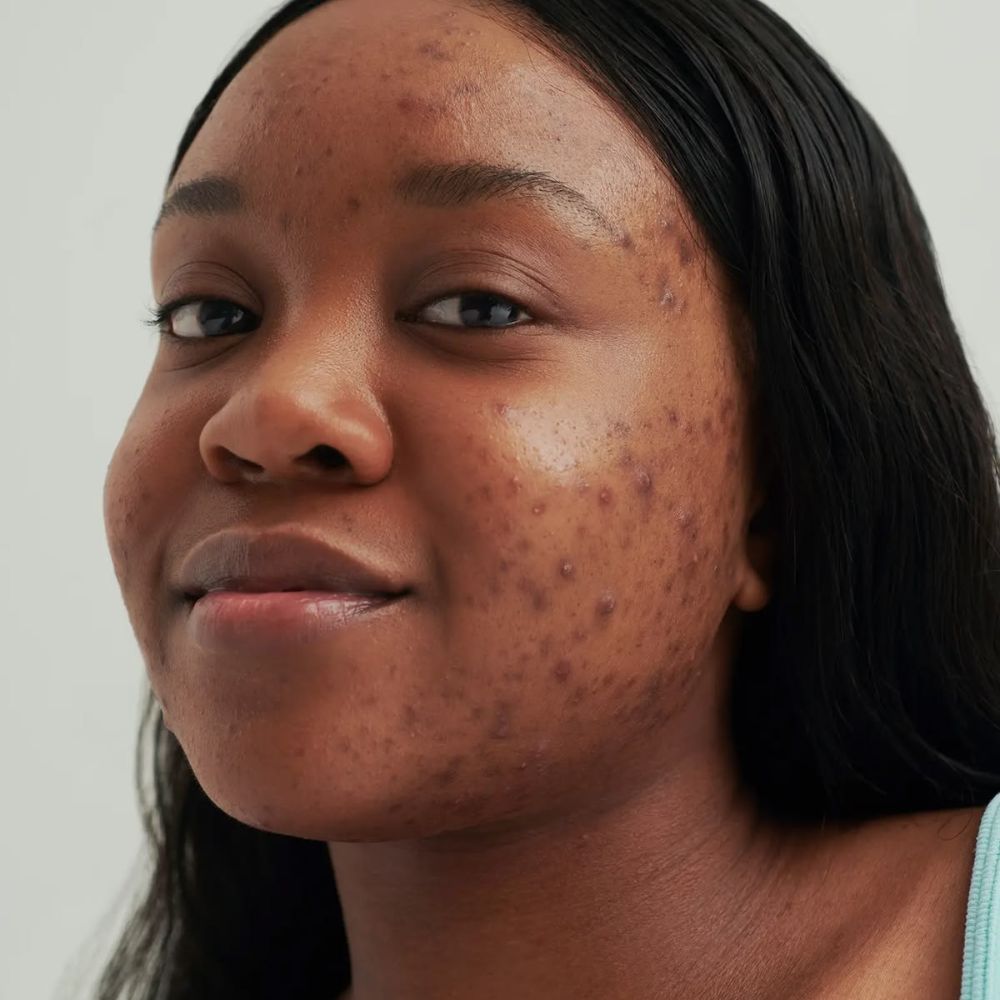
Hormonal acne may appear as:
- Inflamed pimples
- Deep, painful bumps
- Cysts or nodules
- Recurring breakouts around the chin and jawline
Some people may also have blackheads and whiteheads.
There isn’t one appearance that proves acne is hormonal. The timing, pattern and severity of your breakouts all matter.
Can Hormonal Acne Go Away?
Yes. Hormonal acne can often be effectively controlled and treated.
However, it may continue to return if the hormonal factors contributing to it remain. This means some people need a longer-term treatment plan rather than simply treating individual pimples.
What Is the Best Treatment for Hormonal Acne?
There is no single treatment that works for everyone.
Depending on the individual, treatment may include topical acne medications or, when appropriate, prescription hormonal treatments.
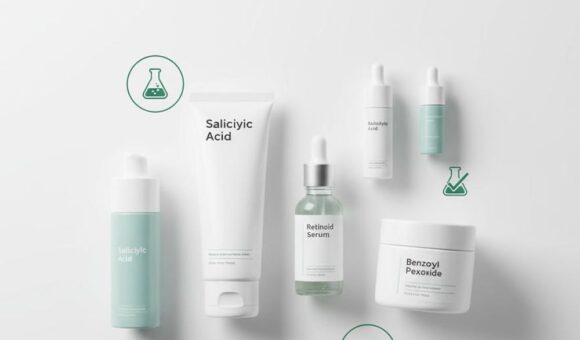
Common acne treatments include topical retinoids, benzoyl peroxide and azelaic acid. For some women with stubborn hormonal acne, clinicians may consider treatments such as combined oral contraceptives or spironolactone.
These treatments aren’t suitable for everyone and should be selected based on your medical history and individual circumstances.
When Should You See a Professional?
Consider booking an acne consultation if:
- Your acne keeps returning.
- Breakouts consistently occur around your menstrual cycle.
- You have painful or deep acne.
- Your acne is leaving dark marks or scars.
- Your acne started suddenly in adulthood.
- Your current skincare routine isn’t helping.
- You’re unsure what is causing your breakouts.
A professional assessment can help determine whether hormones are likely contributing or whether another acne trigger may be responsible.
The Bottom Line
A recurring pattern around your menstrual cycle, adult-onset acne and persistent lower-face breakouts can suggest that hormones may be contributing. However, a proper assessment is needed to understand the likely cause.
If you’re tired of guessing why your acne keeps coming back, the next step is to identify the likely cause .
Related articles: