What Causes Acne? Understanding Why You Keep Breaking Out
Acne is one of the most common skin concerns, but understanding why it happens can make it easier to manage.
If you regularly wake up with new pimples, you may wonder: What causes acne? Is it my hormones? My skincare products? Or something else?
The truth is that acne usually has more than one contributing factor.
What Causes Acne?
Acne develops when hair follicles, often called pores, become clogged with excess oil and dead skin cells. Inflammation can then develop within the blocked follicle, resulting in different types of acne.
The main factors involved include:
- Excess oil, or sebum
- Dead skin cell build-up
- Clogged hair follicles
- Inflammation
- Hormonal changes
- Genetics
Acne can appear on the face, chest, back and shoulders, where there are many oil-producing glands.
How Does Acne Form?
Think of acne as a process that happens beneath the surface of your skin.
1. Excess Oil
Your skin naturally produces sebum, an oil that helps keep your skin from becoming too dry.
However, when too much oil is produced, it can combine with dead skin cells and contribute to clogged follicles.
Hormonal changes can increase oil production, which is one reason acne is common during puberty and can also occur in adults.
2. Dead Skin Cells Build Up
Your skin naturally sheds dead skin cells.
When these cells do not shed properly and combine with excess oil, they can contribute to a blockage.
This may result in blackheads and whiteheads, also known as comedones.
3. Inflammation Develops
Once a follicle becomes blocked, inflammation can occur.
This can lead to red, swollen or painful pimples.
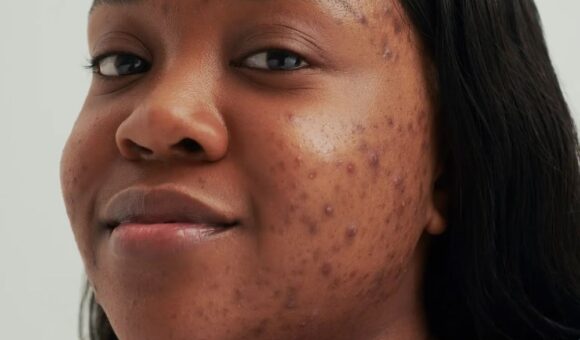
Acne can appear as:
- Blackheads
- Whiteheads
- Papules
- Pustules
- Nodules
- Cysts
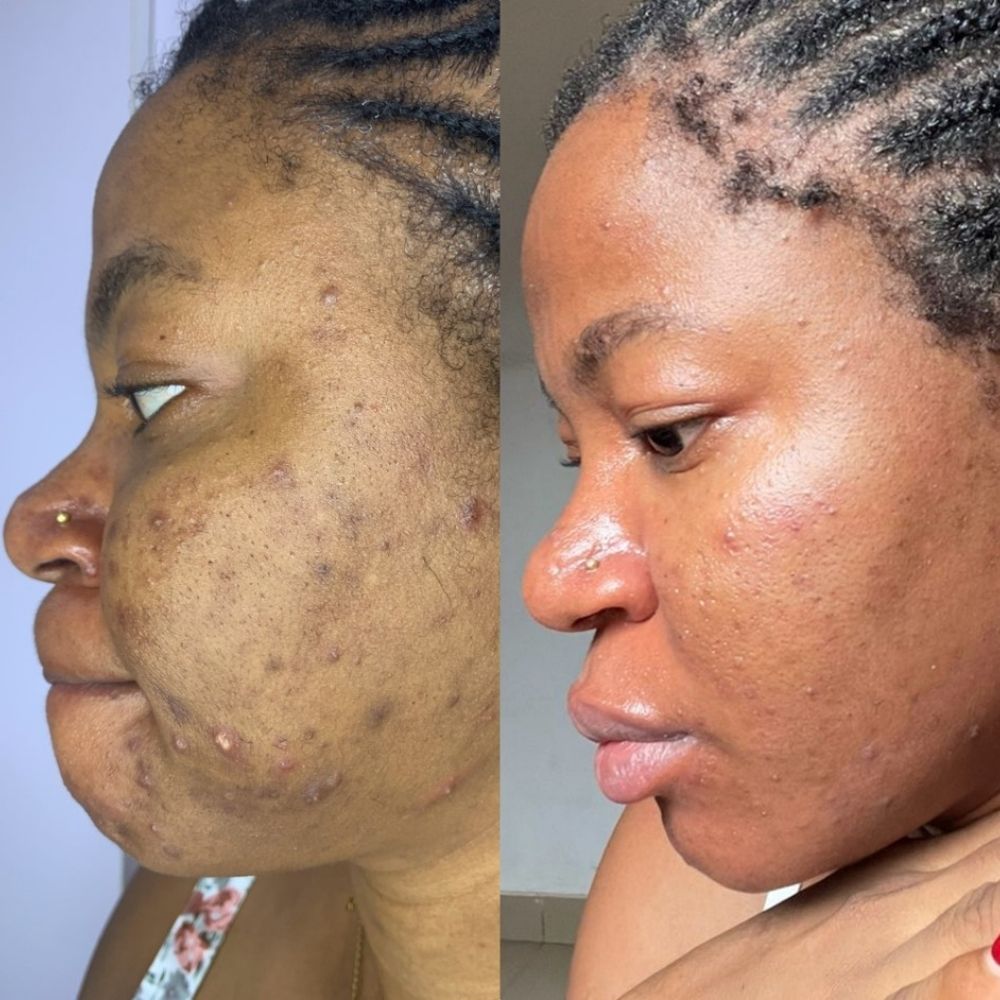
Deeper or repeatedly picked acne can increase the risk of long-lasting dark marks and scarring.
Can Hormones Cause Acne?
Yes. Hormonal changes can play an important role in acne.
Androgens can stimulate the oil glands, increasing oil production and making clogged pores more likely.
Hormonal fluctuations can also contribute to adult acne. Some women notice breakouts around their menstrual cycle, during pregnancy, after changes in hormonal contraception, or during perimenopause and menopause.
However, not every case of acne is hormonal. Several factors can contribute at the same time.
Can Genetics Cause Acne?
Genetics can influence how prone you are to acne.
Genetics can influence factors such as oil production, clogged pores and inflammatory responses.
This does not mean acne is inevitable. It simply means your skin may have a greater tendency towards it.
Is Acne Caused by Dirty Skin?
No.
Acne is not caused by having dirty skin.
Washing your face repeatedly or scrubbing aggressively will not necessarily prevent acne. In fact, over-cleansing can irritate the skin and interfere with a healthy skin barrier.
A gentle, consistent routine is generally more helpful than trying to scrub acne away.
So Why Do Some People Keep Breaking Out?
Because acne is rarely caused by one thing.
Hormones, genetics, oil production, skincare and hair products, stress, diet and other factors can all influence how often someone experiences breakouts.
Understanding the basic causes is the first step.
But if you already understand what causes acne and your breakouts still keep coming back, there may be specific triggers affecting your skin.
Next: Why Is My Acne Not Going Away? 7 Common Reasons You Keep Breaking Out
When Should You Seek Professional Help?
Consider a professional acne assessment if your acne is:
- Persistent or repeatedly returning
- Painful or deeply inflamed
- Leaving scars or dark marks
- Affecting your confidence
- Not improving with your current approach
- Suddenly appearing or significantly changing
Understanding why your acne is happening can help you move beyond simply trying one product after another.
Early and appropriate management can be important, especially when acne is severe or there is a risk of scarring.
At Botaderm Aesthetic Clinic, an acne consultation can help assess your skin concerns and guide you towards an appropriate treatment plan based on your individual needs.