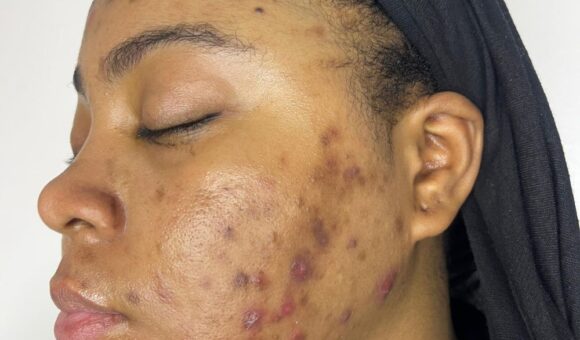
Why Isn’t My Hyperpigmentation Fading? 7 Common Reasons
You’ve treated the acne. The spots are gone. But the dark marks are still there.
If you’ve been wondering why your hyperpigmentation isn’t fading, you’re not alone. Dark spots left behind after acne or other skin inflammation can take time to clear, and some persist for months.
Post-inflammatory hyperpigmentation (PIH) happens when inflammation or injury to the skin triggers increased or uneven melanin production. It’s particularly common, and often more persistent, in people with darker skin tones.
If yours isn’t improving, here are the most common reasons why.
1. You’re Still Getting Breakouts
If new pimples keep appearing, you’re potentially creating new dark marks while older ones are still fading. Acne, eczema, irritation, picking and other inflammatory conditions can all trigger PIH. Treating the underlying inflammation is just as important as treating the pigmentation itself.
2. You’re Skipping Sun Protection
UV exposure can darken existing pigmentation and slow improvement, and visible light may also contribute, particularly in darker skin tones. A broad-spectrum sunscreen, used consistently and reapplied as needed, isn’t optional when you’re trying to fade dark spots.
3. Your Routine Is Irritating Your Skin
Over-exfoliating, layering too many actives, or using harsh products can cause inflammation that worsens PIH. If your skin is constantly burning, stinging, peeling, red, or extremely dry, your routine may be doing more harm than good. Fading dark spots takes patience, not aggression.
4. You’re Treating the Spot but Not the Cause
If acne or another inflammatory condition is still active, new pigmentation keeps developing behind the scenes. Controlling the underlying acne is a core part of preventing additional dark marks.
5. The Pigmentation Sits Deeper in the Skin
Epidermal pigmentation tends to respond well to topical treatments. Deeper pigmentation is slower and more difficult to treat, which is why a product that worked fast for someone else may not do the same for you.
6. You’re Expecting Results Too Quickly
Hyperpigmentation rarely disappears overnight. Timelines vary by cause, depth, skin type, ongoing inflammation, and treatment used. A 2024 systematic review of PIH treatments in skin of colour found response times varied considerably across approaches, so there’s no universal timeline. Be cautious of anything promising fast, guaranteed results.
7. You May Be Treating the Wrong Type of Pigmentation
Dark spots aren’t always PIH. They can also stem from melasma, sun-induced pigmentation, certain medications, or other skin conditions that look similar but need different treatment approaches. If pigmentation keeps returning or isn’t responding as expected, an accurate diagnosis matters.
Where to Go From Here
Persistent dark spots usually come down to one (or more) of these factors, not a lack of “strong enough” products. In our next post, we cover what actually makes hyperpigmentation worse and the habits quietly undoing your progress.
Related: What Causes Acne? Understanding Why You Keep Breaking Out · Why Is My Acne Not Going Away?
If your dark spots aren’t improving despite consistent care, book a consultation to get your pigmentation properly assessed.