What Makes Hyperpigmentation Worse (And How to Avoid It)
If your dark spots seem to be getting darker instead of fading, it’s worth asking what’s actively feeding the problem before reaching for a stronger product.
Why Are My Dark Spots Getting Darker?
Dark spots can deepen when skin keeps experiencing certain triggers, including:
- Sun exposure
- Visible light
- New inflammation
- Acne breakouts
- Picking or scratching
- Irritation from skincare
- Aggressive treatments
If pigmentation is darkening rather than gradually fading, the instinct to use something stronger can backfire. Identify what’s triggering it first.
The Main Culprits, One by One
Sun exposure. UV and visible light can both contribute to darker pigmentation over time. This is often the single biggest factor working against your progress.
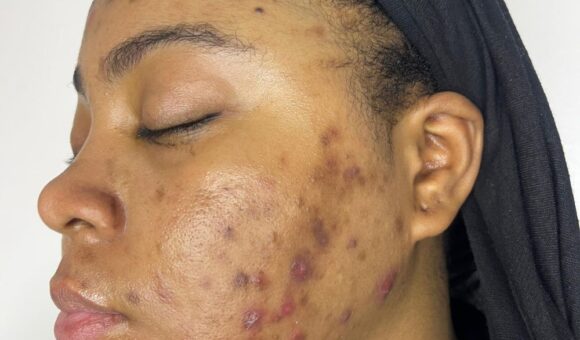
Skin inflammation. New acne or other inflammatory flare-ups trigger additional pigmentation, restarting the cycle even as older marks fade.
Picking. Squeezing or picking at acne causes extra trauma and inflammation, which is one of the most direct routes to new dark marks.
Over-treatment. Stacking too many acids, harsh scrubs, or irritating actives can inflame skin and worsen pigmentation rather than fade it.
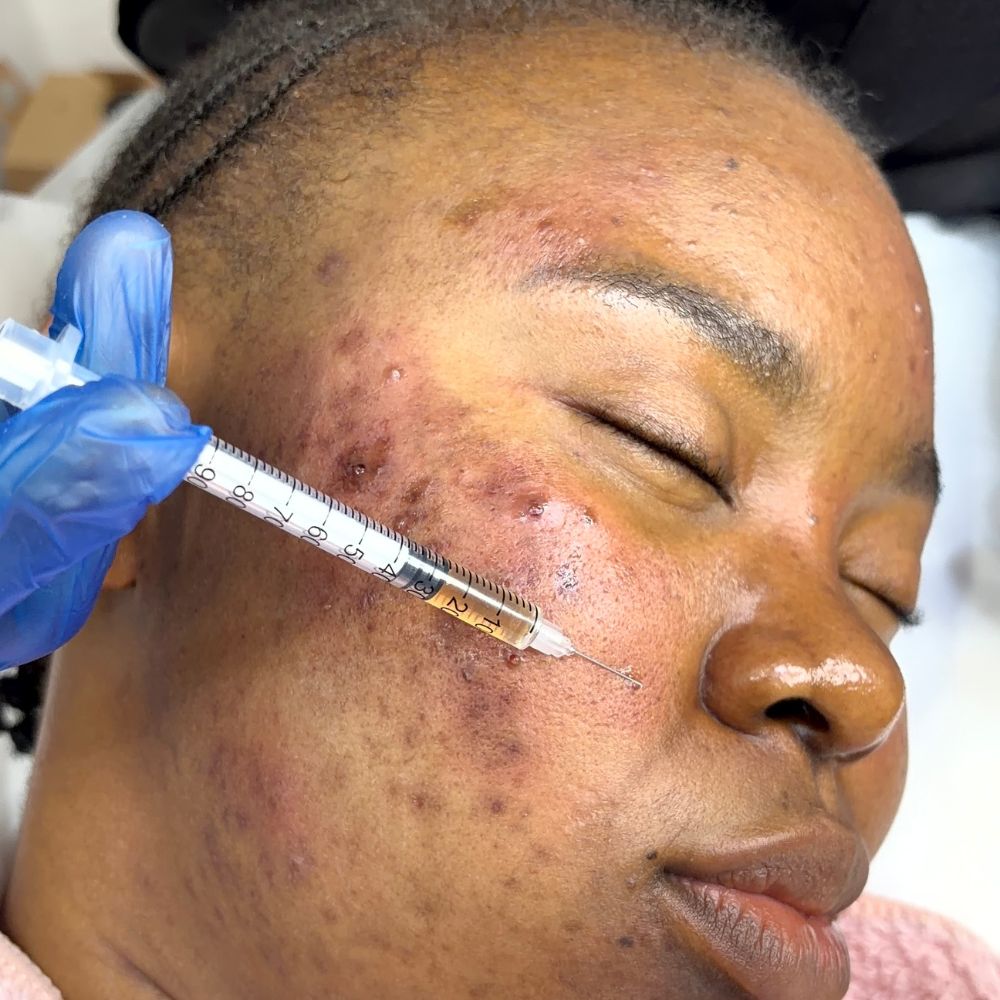
Poorly selected procedures. Chemical peels, lasers, and other treatments can help, but used inappropriately, especially on darker skin, they can trigger further pigmentation. Treatment choice needs to match your skin type.
Why Does Pigmentation Come Back?
Pigmentation often “returns” simply because the underlying trigger was never controlled. If acne-related dark marks keep reappearing, ongoing breakouts are usually the reason. Melasma, similarly, can recur due to UV exposure, visible light, and hormonal factors.
This is why effective pigmentation treatment addresses both correction and prevention: treating existing marks while removing what’s causing new ones.
The Pattern to Watch For
If you notice a cycle of new breakouts → new dark marks → slow fading → repeat, the fix isn’t a stronger spot treatment. It’s breaking the inflammation cycle at the source.
What This Means for Your Routine
- Prioritize sun protection daily, not just “when needed”
- Resist picking, even at small blemishes
- Introduce new actives one at a time, not all at once
- Treat active acne alongside any pigmentation product
Getting these basics right does more for stubborn pigmentation than switching products every few weeks.
Not sure how long you should realistically expect to wait for results? Our next post covers how long hyperpigmentation actually takes to fade.
Related: Why Isn’t My Hyperpigmentation Fading? 7 Common Reasons
If your pigmentation keeps returning despite a careful routine, book a consultation to identify what’s really driving it.